+91 8800486167 | +91 9664057847 | [email protected] | [email protected]

OUR APPROACH TO EDUCATION

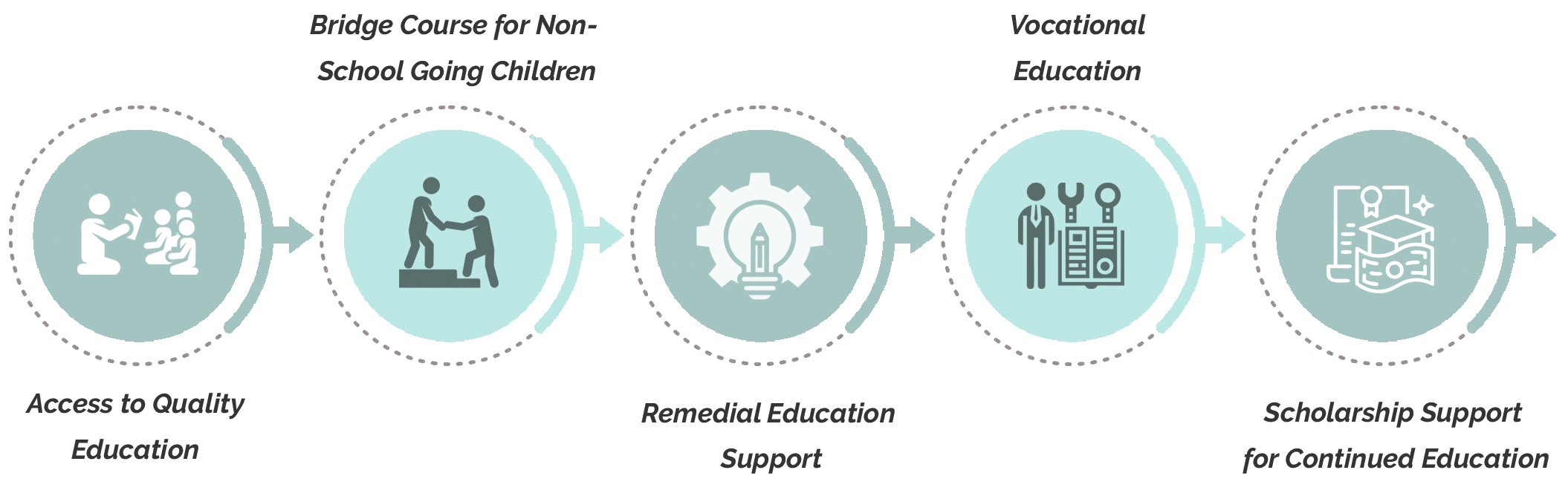
SHARE aims to bridge the educational gap in rural and underserved areas by providing quality education, vocational training and skill development programs.

We focus on creating self-reliant communities by equipping youth with employable skills, life skills, and digital literacy to ensure sustainable growth and livelihood opportunities.
OUR KEY PROGRAMS

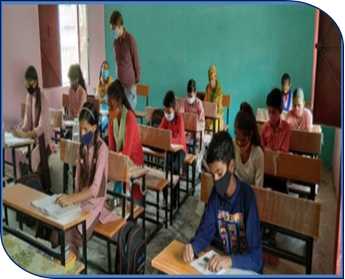
Quality Education

Supporting schools, providing learning materials, and enhancing teaching methods in rural areas.

Digital Literacy

Teaching basic and advanced computer skills to youth and women for employability and self-reliance.

Vocational Training

Short-term courses and skill-based training in trades like tailoring, carpentry, computer applications, and more.

Community Learning Centers

Establishing local centers for continuous learning, mentoring, and capacity building for youth and women.

Career Guidance

Providing guidance, counseling, and mentorship to help youth identify and pursue career opportunities.

Entrepreneurship Training

Helping youth and women acquire skills to start their own business and become self-reliant.

EDUCATION & SKILL DEVELOPMENT

Education is the most powerful tool for social and economic transformation. We focus on empowering rural youth and students by providing modern educational infrastructure and sustainable skill-based learning.

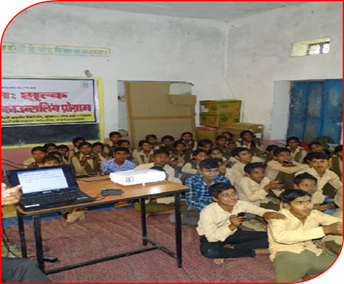
Classrooms
Up gradation of Classrooms
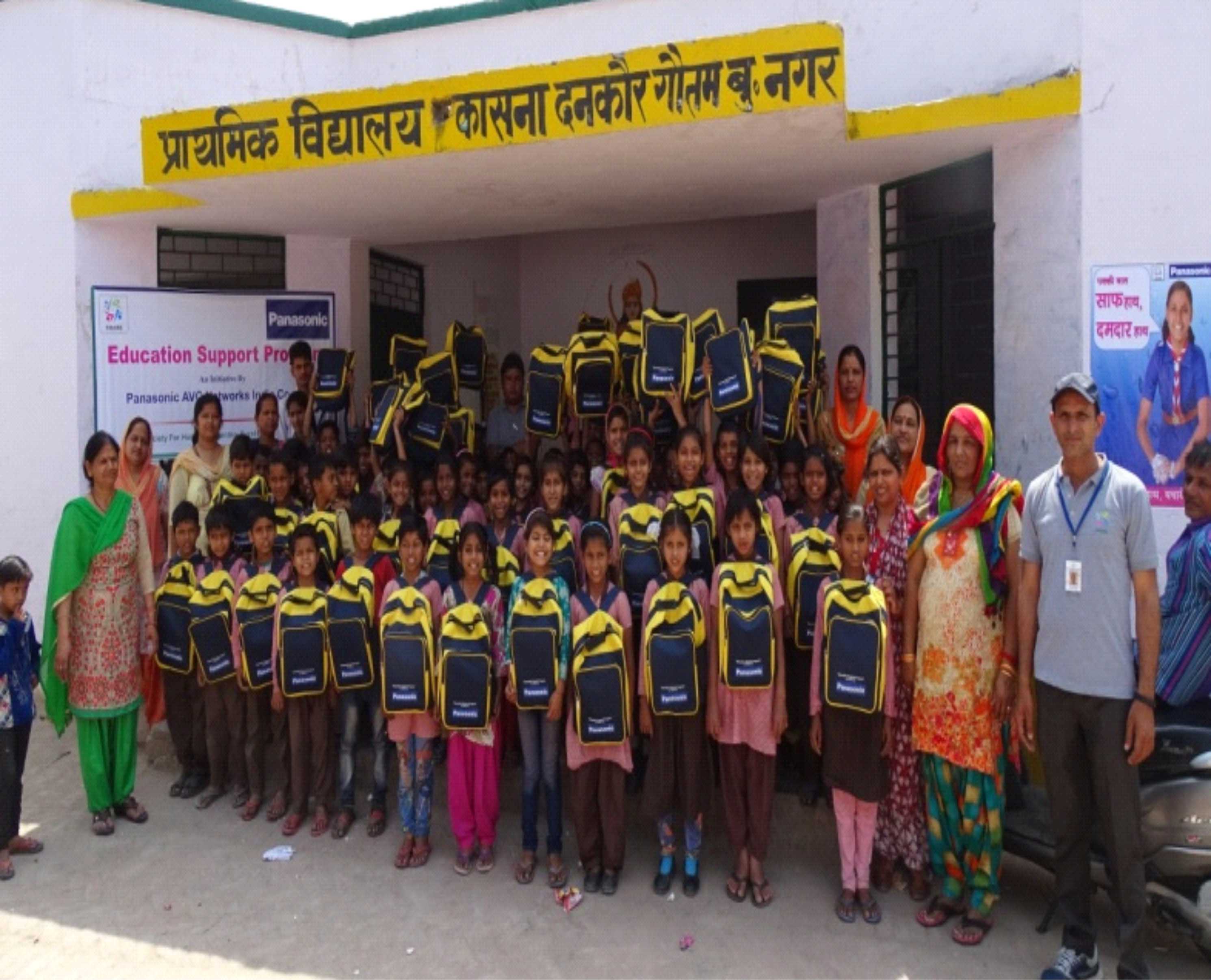
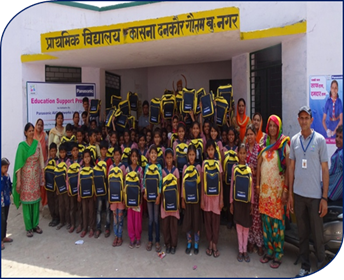
School Bags
School Bag & Stationery Support
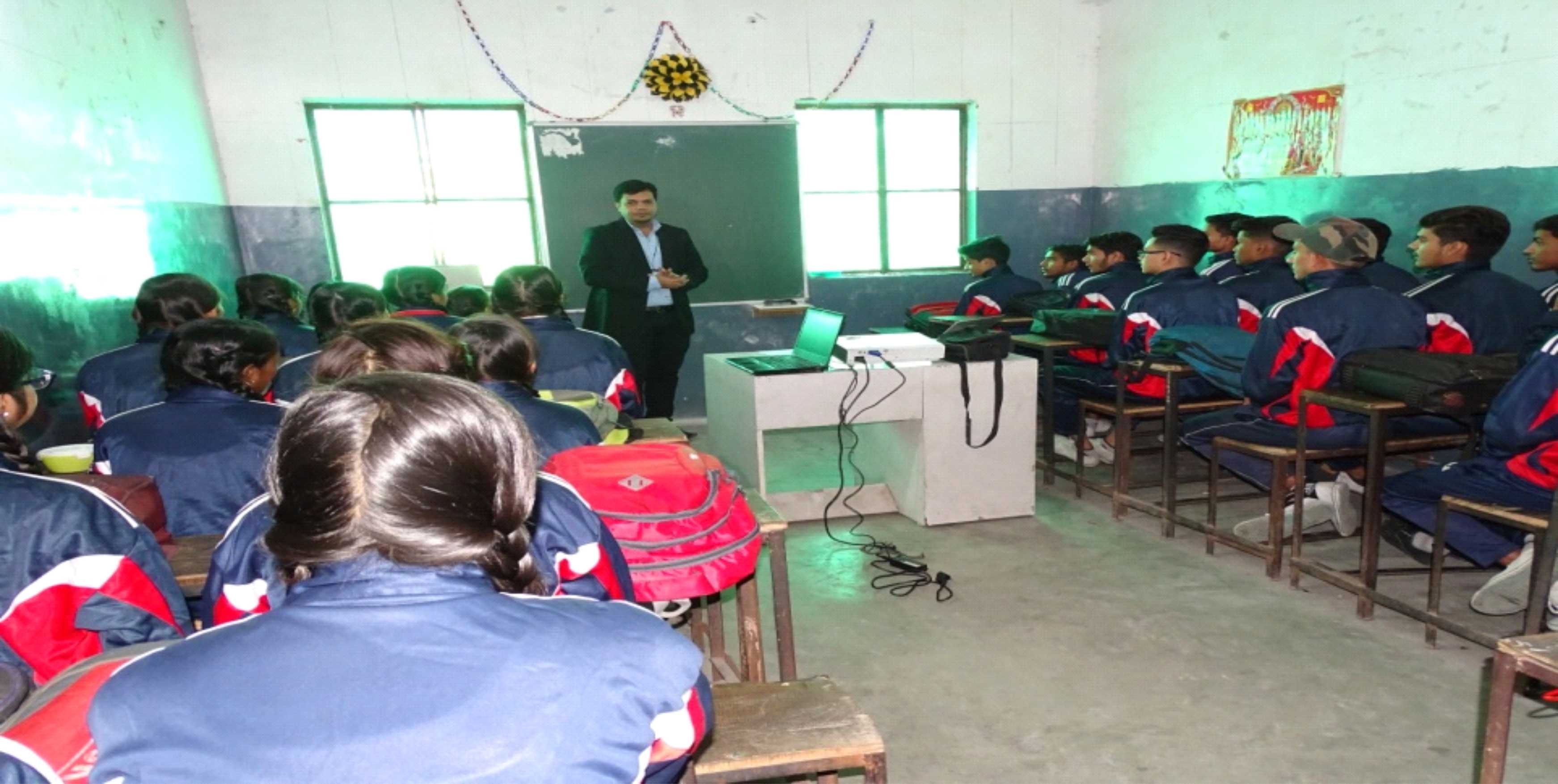
Counseling
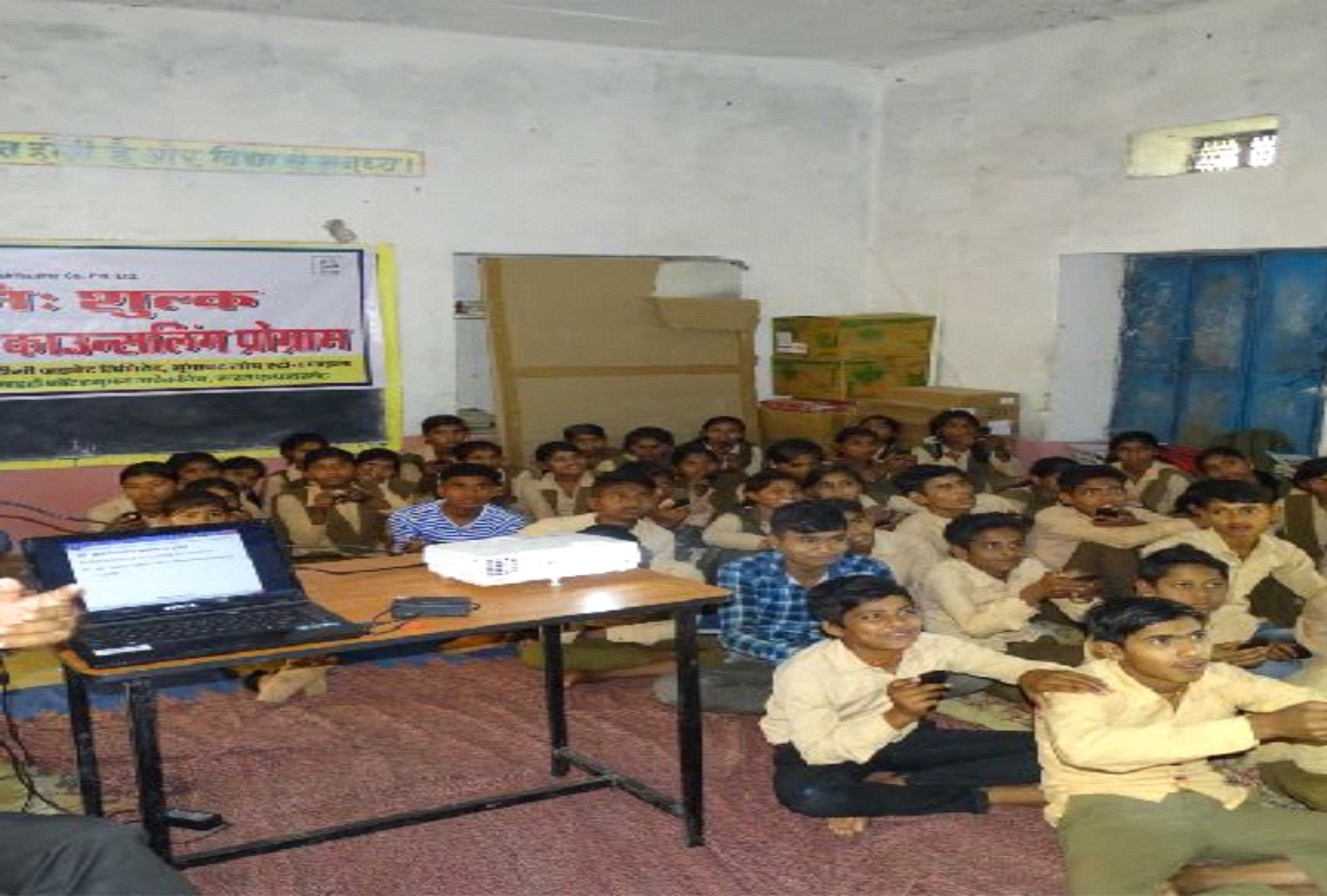
PRS Based Career Counseling
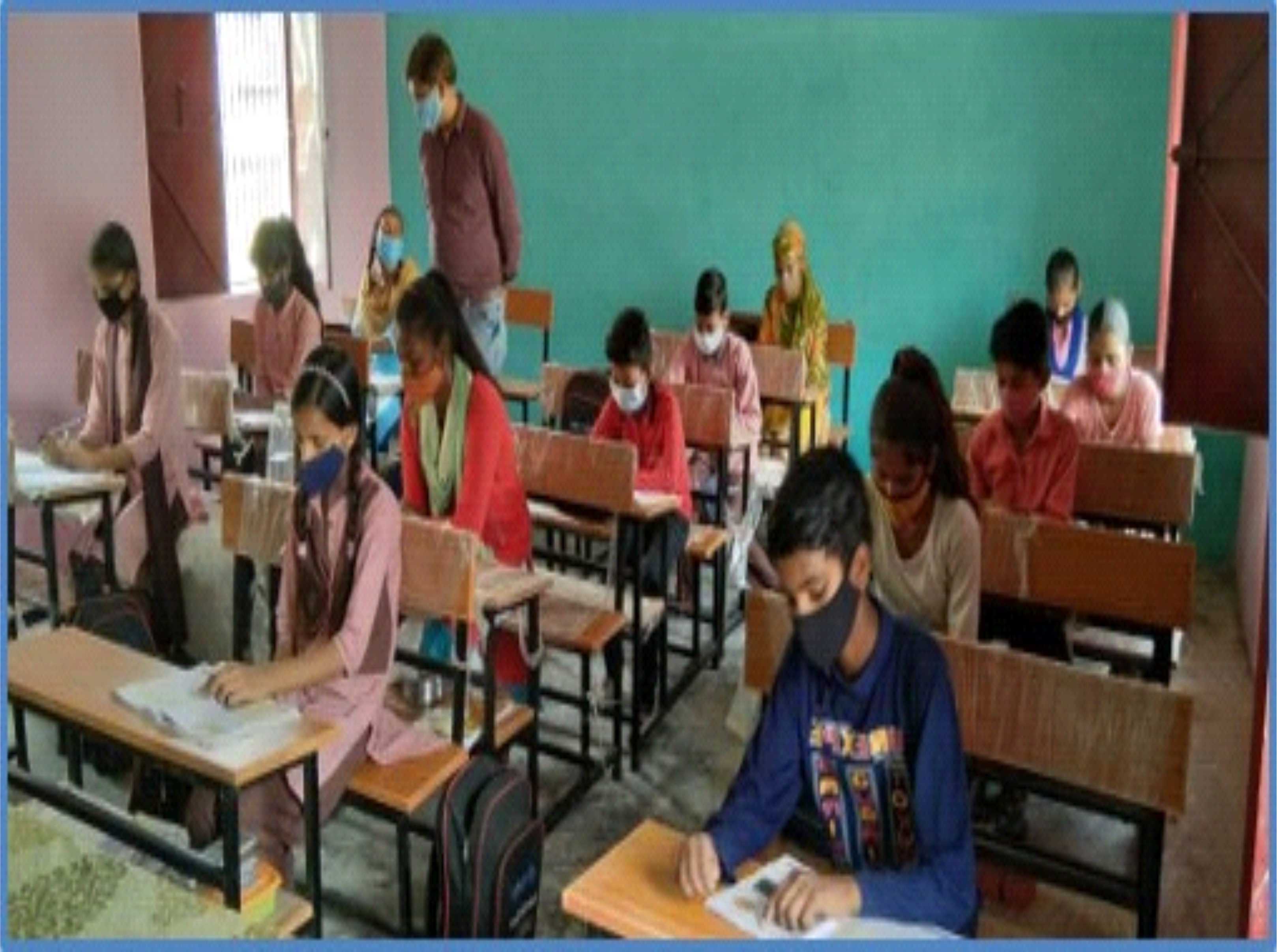
Practical
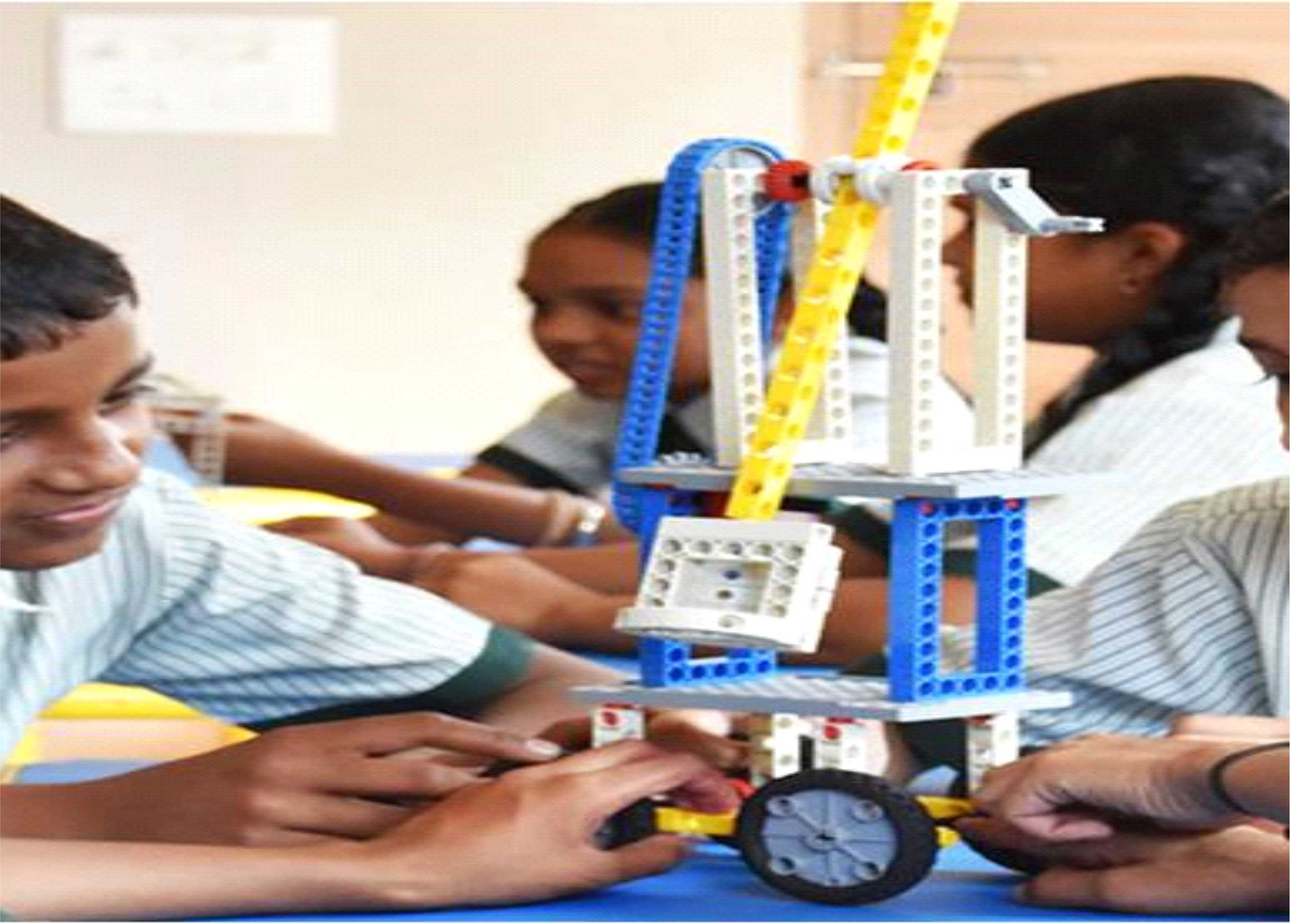
Practical Learning Activities
Skill Training
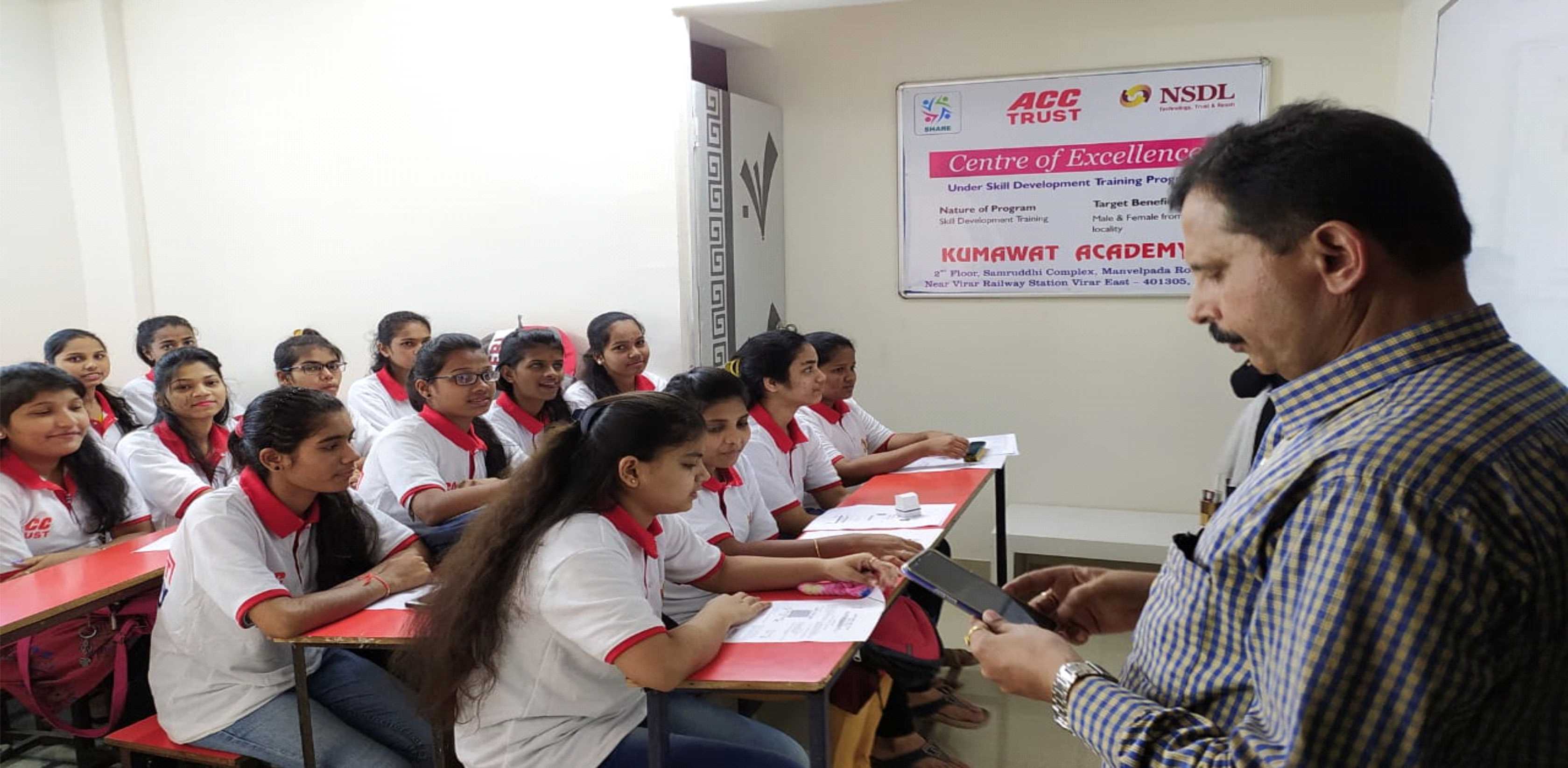
Skill Development Training
Youth
Youth Empowerment Programs
Farmers
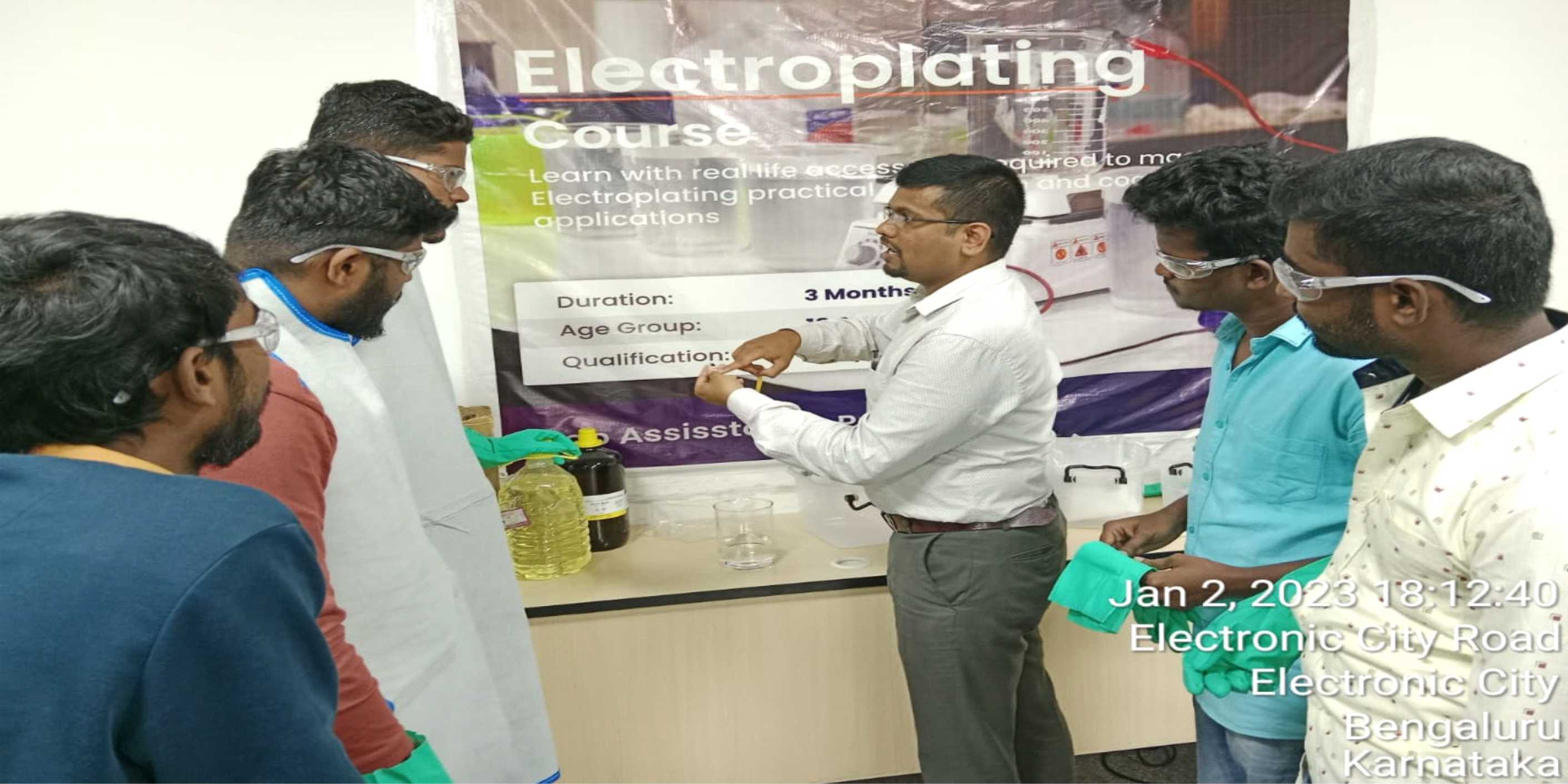
Skill Development for Farmers

WHY EDUCATION ?

Education is the foundation for addressing social challenges like poverty, unemployment, and inequality. It empowers children and youth to have a secure future, become responsible citizens, and participate meaningfully in society. Despite the Right to Education (RTE) Act, many children in rural and underserved areas still face barriers due to socio-economic conditions and lack of proper learning opportunities.

HOW WE DO ?

Education Programs