HOW SHARE CONDUCTS BASELINE SURVEY?
Before starting any CSR intervention baseline assessment or need assessment must be carried out to deliver what are the needs of the society rather than implementing projects which may not be need-based. After implementing the CSR project on the basis of baseline or need assessment impact assessment becomes to track improvements in the standard of living of the affected households in the villages.
Usually, baseline assessment takes 3 months to complete. The Ideal time for impact assessment should be after 12 months after implementing CSR intervention to draw meaningful conclusions and track improvements, if any. This will ensure sustainability of the CSR intervention which is critical for any CSR project.
Baseline assessment means trying to assess the existing state of affairs of the project, people, environment, business and demographic information of the selected village, town or district covering the affected project area. The need assessment is also done as an additional feature in the baseline assessment to know where they stand at the moment and what are their requirements or needs to improve it further. Usually, such a baseline assessment should be done before starting any project, initiative, concept in the catchment area.
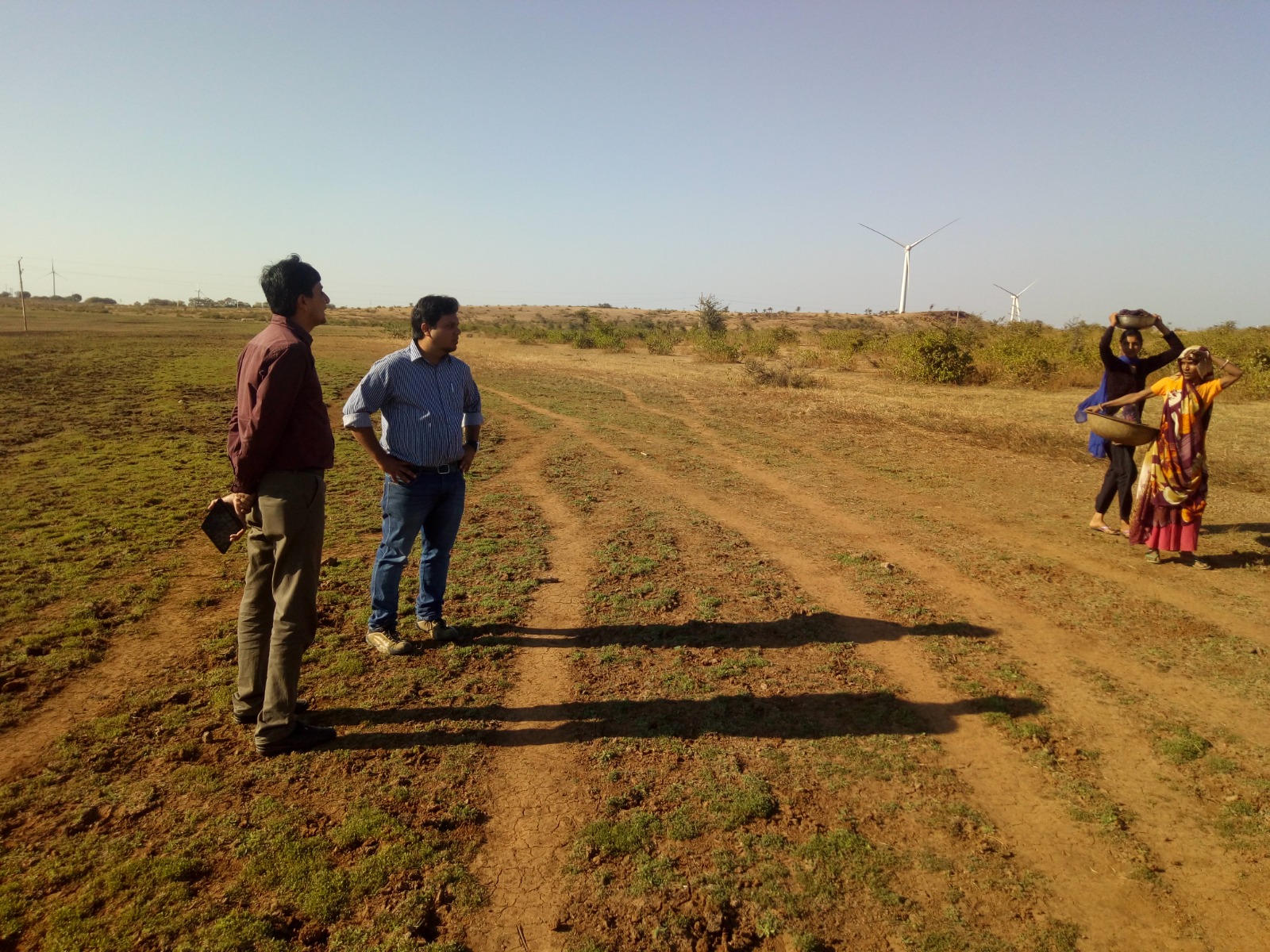
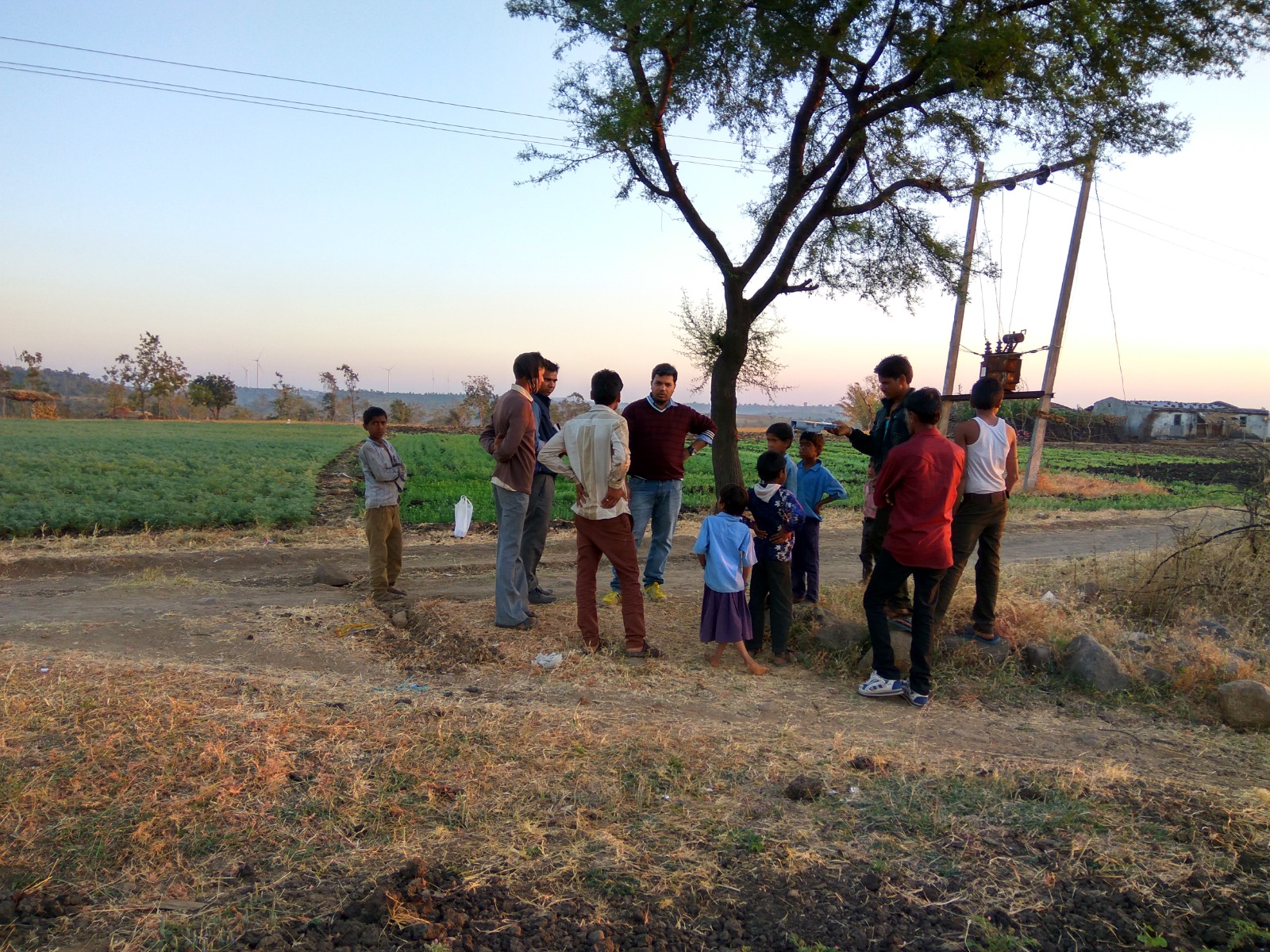
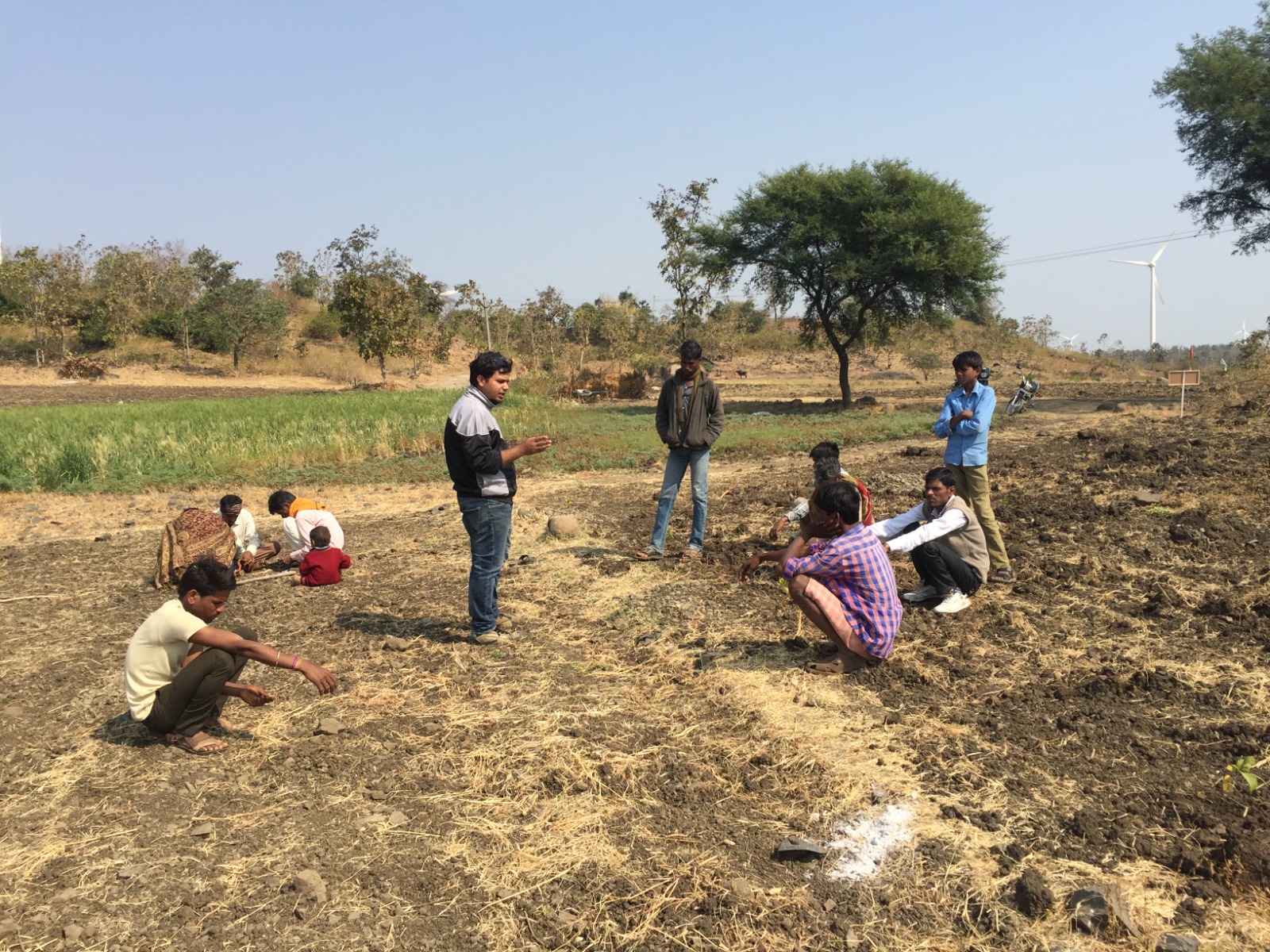
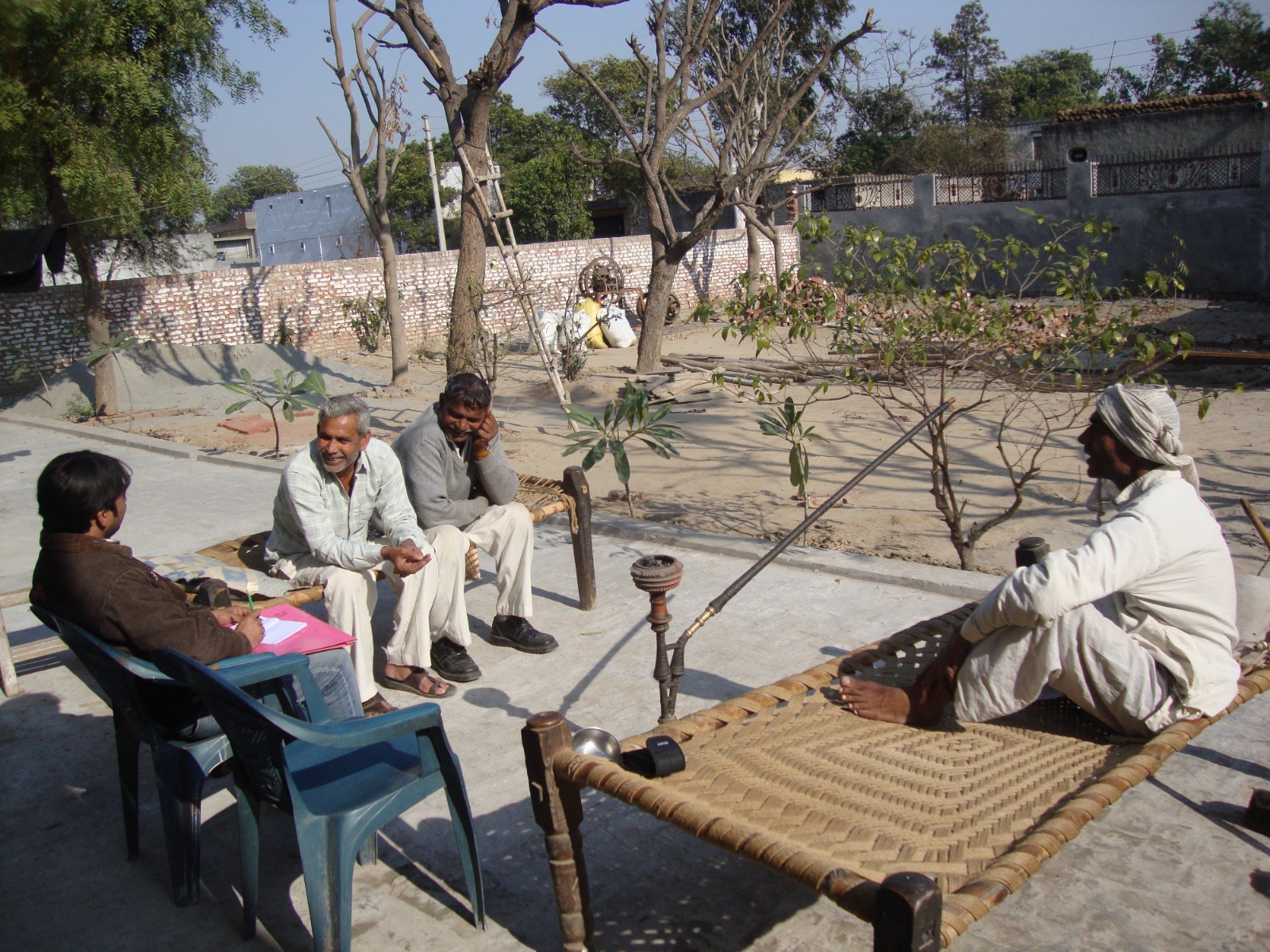
There are several ways in which this baseline survey can be carried out. They include information gathering from Govt. records on population, employment, agriculture, business, industry etc. and various relevant websites of the Chamber of Commerce, Industry Association, published information through articles etc. which is easily available. However, this is just not adequate. We need to collect factual and need based assessment by way of personal interviews of the beneficiaries or families through a structured questionnaire.
This is a very critical component in the baseline assessment study. The sample of respondents to be covered must be representative of all types of stakeholders under the proposed CSR intervention residing or affected in the catchment area of the project.